BUSINESS COMMUNICATION TECHNOLOGIES FOR THE MODERN WORKPLACE
Explore the technologies businesses use to communicate with customers, collaborate with teams, manage calls, connect applications, and gain valuable insights from everyday interactions.
From business phone systems and Cloud PBX to unified communications, contact center technologies, messaging, video meetings, call recording, and analytics, discover the communication technologies shaping modern workplaces.
Communication Technology Built Around Modern Business Needs
Business communication has evolved from traditional desk phones into connected technology ecosystems that support employees, customers, applications, and distributed teams.
Modern communication technologies can combine voice, messaging, meetings, collaboration, customer interactions, analytics, and business applications into more connected workflows.
Whether you're building a communication environment for a small business, supporting remote employees, managing multiple locations, or modernizing enterprise infrastructure, understanding the available technologies is an important first step.

Explore Business Communication Technologies
Discover the technologies that power modern business communication.






Communication Infrastructure
A comprehensive suite of technologies designed to streamline business interactions and optimize organizational connectivity.
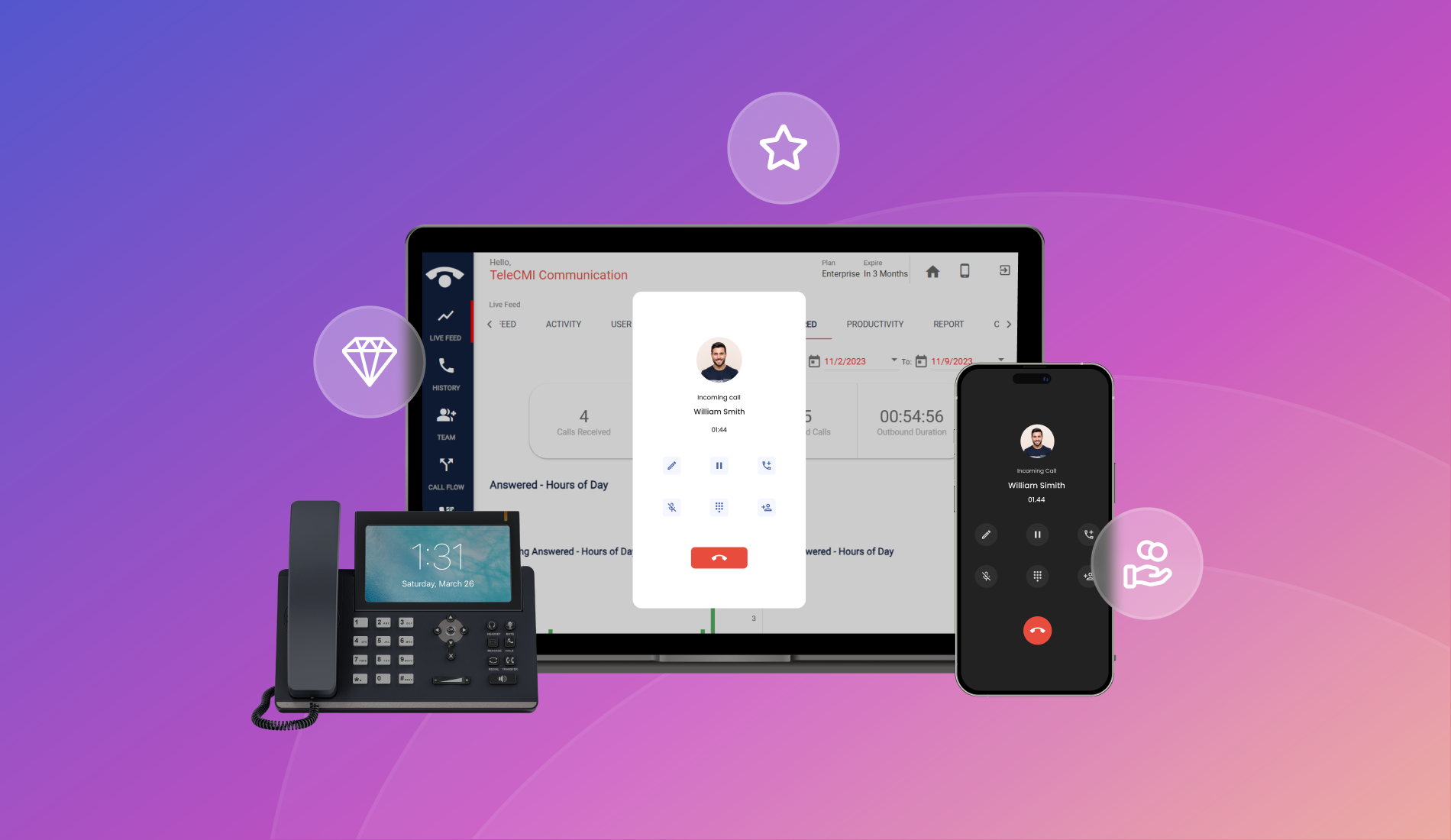

.webp)





Communication for the Modern Workforce
Today's workforce may operate from offices, homes, coworking spaces, branch locations, and different countries. Modern communication technologies can help organizations maintain consistent communication regardless of where employees work.
Capabilities for Modern Business Communication
Depending on the technology and platform, modern communication environments can include capabilities such as:
Connect Communication With Your Business Applications
Communication becomes more useful when it can work alongside the applications businesses already use.
CRM Integration
Connect communication activity with customer relationship management workflows.
Help Desk Integration
Connect communication technologies with support workflows to help teams manage customer conversations and service activity.
Business Application Integration
Communication technologies can also connect with productivity platforms, customer databases, business management systems, analytics tools, and custom applications.
Build Communication Into Your Applications
Businesses increasingly need communication capabilities directly inside their own digital products and workflows.
Communication APIs can provide technology interfaces for integrating capabilities such as:
Choose the Right Deployment Approach
Communication technologies can be deployed in different ways depending on business requirements, infrastructure, security considerations, and operational preferences.
On-Premises
On-premises communication infrastructure is deployed and managed within an organization's own environment. This approach may be appropriate for businesses with specific infrastructure, control, security, or operational requirements.
Hybrid
Hybrid communication environments combine cloud-based and on-premises technologies.
This can allow organizations to modernize communication gradually while maintaining selected existing infrastructure.
Security for Business Communications
Communication systems can carry sensitive business and customer information, making security an important part of technology selection and deployment.
Businesses should consider areas such as:
Protect Communication Workflows
Security requirements can vary significantly depending on business size, industry, applications, locations, and regulatory environment.
Organizations should evaluate security requirements before deploying communication technologies.
Explore Communication Security →Privacy, Compliance & Responsible Communication
Business communication may involve customer information, employee information, recorded conversations, communication metadata, and other sensitive business data.
Organizations should evaluate applicable requirements relating to:
Turn Communication Data Into Business Insights
Communication activity can generate valuable operational information.
Analytics technologies can help organizations examine:
Communication Technologies for Different Business Needs
Small Businesses
Small businesses can use modern communication technologies to establish professional communication systems while supporting growing teams and customer interactions.
Explore Small Business Communication →Startups
Startups often need flexible communication technologies that can scale as teams, customers, and operations grow.
Explore Startup Communication →Remote Businesses
Remote organizations can use cloud communication, messaging, video meetings, mobile communication, and collaboration technologies to connect distributed employees.
Explore Remote Communication →Multi-Location Businesses
Businesses with multiple offices or branches can use centralized communication technologies to connect locations and manage communication workflows.
Explore Multi-Location Communication →Enterprise Organizations
Enterprise organizations may require advanced communication architecture supporting large user bases, multiple locations, integrations, security controls, analytics, and complex workflows.
Explore Enterprise Communication →Communication Technologies Across Industries
Modern communication technologies can support organizations across a wide range of industries.
Compare Communication Technologies
One Connected Communication Ecosystem
Modern businesses rarely depend on a single communication technology. A typical communication environment may combine:
Together, these technologies can create a connected communication ecosystem across employees, customers, applications, and locations.
Why Modernize Business Communication?
Modern communication technologies can help organizations create more flexible and connected workplaces.
Work From Anywhere
Support communication across offices, homes, mobile devices, and remote locations.
Scale With Your Business
Add users, departments, locations, and communication capabilities as organizational requirements change.
Connect Business Applications
Integrate communication with CRM, help desk, productivity, analytics, and custom applications.
Improve Visibility
Use communication reporting and analytics to understand activity and operational patterns.
Centralize Management
Manage users, communication settings, numbers, permissions, and workflows from centralized systems where supported.
Support Better Collaboration
Bring calling, messaging, meetings, and collaboration capabilities closer together.
How to Choose the Right Communication Technology
Every organization has different communication requirements. Before selecting a technology, consider:
Business Communication Technology Checklist
Before adopting a communication technology, evaluate:
Learn More About Business Communication
Explore educational resources covering business communication technologies, implementation considerations, industry applications, security, integrations, and communication trends.
Build a Smarter Communication Environment
Modernize the way your organization communicates with customers, employees, teams, and business applications. Explore the technologies behind modern business communication and identify the capabilities that fit your organization's requirements.
Stay Ahead of Business Technology
Get useful insights about communication technologies, workplace collaboration, customer experience, and business technology.
Insights for modern workplace technology decision-makers. Unsubscribe anytime.